

Table of Contents
- Why Quality Gym Gear Matters for Athletic Performance
- How Benefits of Moisture-Wicking Fabric Enhance Your Workouts
- Injury Prevention and Support Through Proper Apparel
- The Impact of Gym Wear on Motivation and Confidence
- Durability and Long-Term Value: Why Cheap Gear Costs More
- Choosing Best Affordable Home Gym Equipment That Lasts
- Care and Maintenance: Protecting Your Investment
- Frequently Asked Questions
Last Updated: August 31, 2026
Why Quality Gym Gear Matters for Athletic Performance
The difference between cheap gym clothes and quality gym gear isn't just comfort, it's the difference between a workout that feels sustainable and one that leaves you frustrated. When your leggings roll down mid-squat or your shirt clings to you in ways that limit your range of motion, you're not just uncomfortable. You're also distracted, less confident, and more likely to cut your session short or skip the gym entirely.
Quality gym gear matters because it directly impacts how your body moves, how long it lasts in your closet, and how you feel walking into the gym. At GearrUp, we've built our entire product line around this principle: precision-crafted apparel and equipment designed for athletes who refuse to compromise on performance or durability.
The real cost of cheap gear isn't the money you save upfront, it's the money you waste replacing it every few months, plus the training sessions you lose to discomfort and lack of confidence. When you invest in quality gym wear, you're investing in consistency, injury prevention, and the psychological boost that comes from knowing your gear will perform exactly when you need it most.
How Benefits of Moisture-Wicking Fabric Enhance Your Workouts
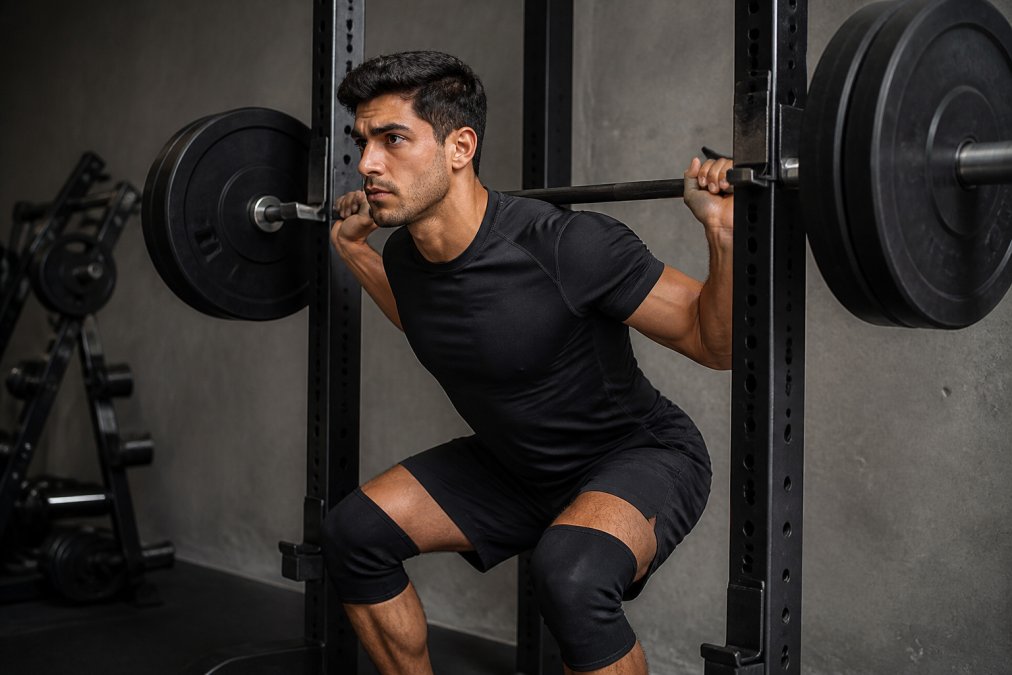
Moisture-wicking fabric pulls sweat away from your skin through capillary action, moving it to the outer layer of the material where it evaporates faster than it would against your body (peer-reviewed research). This mechanism works because synthetic fibers like polyester, nylon, and spandex are hydrophobic, they repel water rather than absorb it the way cotton does. The result is immediate: you stay cooler, drier, and more comfortable throughout your session, and your body doesn't have to work as hard to regulate temperature, which means more energy directed toward the actual workout.
The specific fiber composition matters significantly. Polyester blends (typically 88% polyester / 12% spandex) excel at moisture transport and durability through repeated washing, making them ideal for high-frequency training. Nylon blends offer superior stretch and recovery, which benefits dynamic movements like yoga or CrossFit. Understanding which fiber type matches your training style ensures you're not just buying moisture-wicking fabric, you're buying the right moisture-wicking fabric for your needs.
Training modality affects how much moisture-wicking performance matters. During high-intensity interval training, where sweat production peaks and cooling is critical, moisture-wicking fabrics can contribute to comfort and focus. During strength training, moisture-wicking prevents the clammy, heavy feeling that compromises grip and stability during heavy lifts. During yoga or flexibility work, breathable synthetic blends allow air circulation while maintaining the compression and support needed for balance poses.
Better breathability goes hand in hand with moisture-wicking performance. Quality gym wear uses synthetic fibers engineered with strategic knit patterns that allow air circulation while maintaining compression. This balance prevents overheating during cardio while keeping you stable during heavy loads. Technical fabrics also reduce chafing and skin irritation by moving moisture away from friction points, seams, underarms, and inner thighs, allowing you to train harder without the friction burns that derail consistency.
The durability advantage of synthetic performance fabrics is often overlooked. Moisture-wicking properties persist through dozens of wash cycles, whereas cotton gradually loses effectiveness and develops odor problems that regular washing can't fix. Synthetic fibers also resist pilling and fading better than natural fibers, which means your investment in quality apparel continues to deliver both performance and appearance benefits for years, not months. This longevity is why cost-per-wear calculations favor quality technical fabrics: a premium moisture-wicking shirt worn three times per week for three years delivers far better value than a cheap cotton alternative replaced every six months.
Injury Prevention and Support Through Proper Apparel
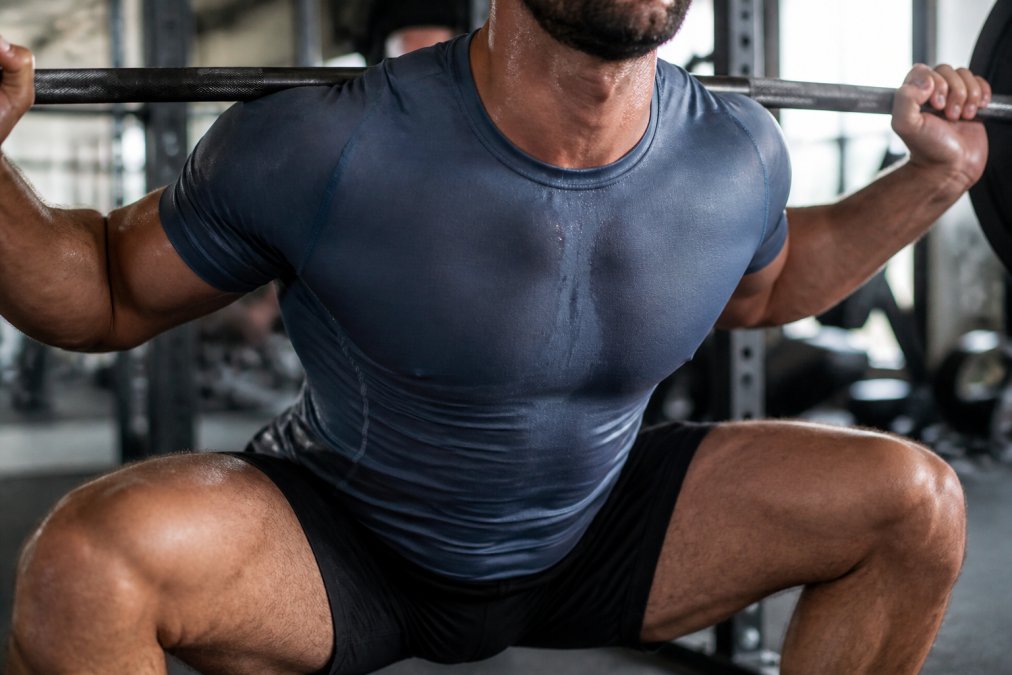
Compression in quality gym apparel can improve blood flow to working muscles through graduated pressure that enhances venous return, the movement of blood back to the heart (peer-reviewed research). This physiological benefit can accelerate oxygen delivery to muscles and accelerate lactate clearance, which may reduce soreness after workouts and support faster recovery between sessions. More importantly, supportive fit keeps your body in proper alignment during compound movements like squats and deadlifts, which is where injury risk concentrates.
The science of compression matters more than most athletes realize. Effective compression garments apply graduated pressure that is measurable and purposeful, not just "tight." This pressure range is designed to improve blood flow without restricting movement or causing discomfort. Low-quality compression apparel often lacks this graduated design, providing only surface tightness that offers no physiological benefit while limiting range of motion.
Compression needs vary by training modality. During strength training, compression in the core and legs stabilizes the torso during heavy loads, reducing excessive spinal flexion and protecting the lower back during squats and deadlifts. During endurance training, compression in the calves and quads can reduce muscle oscillation, the micro-movements that accumulate fatigue over long distances, which may improve efficiency and delay fatigue onset. During explosive training like plyometrics or Olympic lifting, compression in the shoulders and hips can provide proprioceptive feedback that enhances movement awareness and reduces compensation patterns.
When your clothes don't fit properly or lack support, you compensate with poor form. Your body shifts to accommodate loose fabric or inadequate compression, which puts stress on joints and connective tissue in ways that build injury risk over time. Quality gym gear keeps you stable and aligned, allowing you to focus on movement quality rather than adjusting your clothes mid-set. This stability is especially critical during heavy compound movements where even small form deviations accumulate into significant joint stress.
Ergonomic design in premium apparel also matters for injury prevention. Seams are placed strategically to avoid friction points during repetitive movements, for example, seams on the sides of the torso rather than the front or back, where they'd create pressure points during loaded movements. Fabric composition prevents excessive stretching that would compromise support during heavy loads. Armhole and leg opening design accommodates full range of motion without riding up or creating restriction. These details seem small until you're halfway through a heavy lift and realize your gear is working with your body, not against it.
The psychological component of injury prevention shouldn't be overlooked either. When you're wearing apparel you trust, you move with confidence and proper form. Confidence reduces muscle tension and allows you to execute movements more efficiently. When you're constantly adjusting or worried about your gear failing, you tense up and make compensation movements that increase injury risk. This mind-body connection is why athletes in quality gear often report better form consistency and lower injury rates than those training in inadequate apparel.
The Impact of Gym Wear on Motivation and Confidence
What you wear to the gym affects your mental state before you even start warming up. Quality apparel sends a signal to your brain that you're serious about this session. You look the part, you feel the part, and your performance follows.
Research in sports psychology consistently shows that athletes perform better when they feel confident in their equipment (peer-reviewed research). This isn't placebo, it's a documented phenomenon where the right gear reduces cognitive load during training. Instead of thinking about whether your clothes will hold up during your workout, you can focus entirely on the movement and the muscle being trained.
Confidence also translates to consistency. When you own gym clothes that fit perfectly, look professional, and perform under pressure, you're more likely to show up consistently. You're less likely to skip sessions because you don't want to wear your backup gear. This consistency compounds over weeks and months, creating the kind of training adherence that actually builds results.
Body confidence matters too, especially for athletes returning to training after time off or those starting their fitness journey. Quality gym wear that fits properly and flatters your physique makes a measurable difference in how you feel in the gym. This isn't vanity, it's a legitimate performance factor that influences how hard you push yourself.
Durability and Long-Term Value: Why Cheap Gear Costs More
A pair of cheap leggings might cost half the price of quality apparel, but it'll need replacement in three to six months of regular training. Quality gym gear, by contrast, maintains its structure, compression, and appearance through years of heavy use. The math is simple: cheap gear costs more over time because you're constantly replacing it.
Durability in quality apparel comes from several factors working together. Superior synthetic blends resist pilling and fading better than low-quality fabrics. Seams are reinforced to withstand the stress of repetitive movements and frequent washing. Elastic components maintain their elasticity through dozens of wash cycles instead of degrading after a few months.
The long-term investment perspective changes how you evaluate gym gear. Instead of thinking about the upfront cost, think about cost per wear. A quality shirt worn three times per week for three years costs pennies per wear. A cheap shirt that needs replacement after six months costs significantly more per wear, even though the initial price was lower.
Beyond the financial math, durability means consistency in performance. Your favorite gym shirt doesn't lose its moisture-wicking properties midway through the year. Your leggings don't develop a sagging waistband or lose compression in the hips. This reliability matters for training because you know exactly how your gear will perform, which removes variables from your workout.
Choosing Best Affordable Home Gym Equipment That Lasts
The same durability principles that apply to apparel apply to equipment. Cheap home gym equipment fails under load, requires constant maintenance, and ultimately costs more than investing in quality from the start. When you're building a home gym setup, the equipment you choose becomes the foundation for years of training.
Quality home gym equipment is built with materials and engineering that handle heavy loads repeatedly. Steel doesn't degrade after 100 squats. Welds don't crack. Padding doesn't compress into uselessness after a few months of use. This reliability means your investment continues to deliver performance without constant replacement or repair.
GearrUp's equipment line is designed with this durability principle in mind. The Olympic Weight Bench with Squat Rack ($199.99) provides stable support for serious training through heavy-duty steel construction and adjustable positioning for multiple exercises. For those building a more comprehensive home setup, the GearrUp Power Cage Home Gym ($399.99) offers 1,000 lbs capacity with multi-functional capability for squats, pull-ups, and cable exercises. The Multifunction Home Gym System with 99 lb Weight Stack ($499.99) provides a space-efficient full-body training solution for various fitness levels.

The best affordable home gym equipment combines durability with versatility. You want pieces that handle multiple exercises so you're not buying separate equipment for each movement. You want materials that resist rust and degradation. You want adjustability that accommodates different exercises and body types. Quality equipment delivers all three, which means your initial investment continues to serve your training needs as you progress.
Care and Maintenance: Protecting Your Investment
How you care for quality gym gear determines how long it actually lasts. Proper maintenance extends the life of both apparel and equipment, protecting your investment and ensuring consistent performance.
For apparel, simple practices make a significant difference. Wash in cold water to preserve synthetic fibers and prevent shrinkage. Air dry whenever possible instead of using high heat, which degrades elastic and synthetic materials. Avoid fabric softeners, which coat fibers and reduce moisture-wicking effectiveness. Store in a cool, dry place away from direct sunlight, which fades colors and weakens fabric over time.
For equipment, maintenance prevents rust and structural degradation. Wipe down steel components after workouts, especially if you sweat heavily. Check bolts and connections regularly to ensure everything stays tight under load. Use equipment as designed, overloading beyond specifications or using improper form accelerates wear. Store equipment in a dry environment when not in use.
The investment in proper care is minimal compared to the cost of replacing gear prematurely. Fifteen minutes of maintenance per month extends the life of your equipment by years. Proper washing extends the life of your apparel by the same margin. This is where quality gym gear delivers its truest value: when maintained properly, it becomes a long-term asset that supports your training consistently.
The gap between training in quality gear and training in whatever's available is the difference between sessions that feel effortless and sessions that feel like you're fighting your equipment the entire time. Quality gym gear removes friction from your training, literally and psychologically.
At GearrUp, we've engineered every piece of apparel and equipment to perform under the pressure of real training. Our precision-crafted products are built for athletes who refuse to compromise, whether you're a beginner starting your fitness journey or an experienced lifter pushing heavy loads. With free shipping, secure payment, and easy returns, getting started with quality gear has never been more accessible. Shop GearrUp equipment today and experience the difference that durability, support, and performance-engineered design makes in your training.
Frequently Asked Questions
Q: How does quality gym gear actually prevent injury during training?
A: Quality gym gear provides proper support and compression that stabilizes muscles and joints during intense movements. Supportive fit reduces excess motion in joints, decreasing strain on ligaments and tendons. Breathable, moisture-wicking fabrics prevent sweat buildup that can cause chafing and skin irritation. Durable fabrics maintain their elasticity through hundreds of workouts, ensuring consistent support rather than degrading material that shifts or bunches during heavy lifting.
Q: What makes moisture-wicking fabric worth the extra cost?
A: Moisture-wicking fabrics actively pull sweat away from your skin and move it to the fabric's outer layer where it evaporates, maintaining body temperature regulation and comfort. Standard cotton absorbs sweat, stays wet against your skin, and causes chafing. Technical fabrics reduce sweat-related discomfort, prevent bacterial growth that causes odor, and dry faster between washes. This extends garment longevity and improves workout efficiency by keeping you focused on performance rather than discomfort.
Q: Can affordable gym gear still be high-quality, or are you paying for branding?
A: Affordable gym gear can absolutely deliver quality when brands prioritize engineering over marketing. Look for specific fabric technology details, synthetic fibers with proven moisture-wicking properties, reinforced seams, and ergonomic design, rather than brand names. GearrUp's approach focuses on fair prices by cutting marketing costs, not fabric quality. Compare garment longevity, return policies, and customer feedback on durability rather than price alone. A pair of squat-proof leggings that lasts two years can outperform a pair that stretches out in six months.
Q: How does wearing quality gym gear actually impact my motivation to train?
A: Wearing gear that fits properly, stays in place, and performs well removes friction from your training session. When your leggings don't ride up during squats or your top doesn't chafe, you stay mentally focused on the workout itself. Quality apparel sends a psychological signal that you're prepared and serious about your training. This confidence boost increases consistency, you're more likely to show up for workouts when your gear makes you feel capable rather than uncomfortable. Proper supportive fit and breathability also reduce physical fatigue, allowing you to train harder and longer.
This article was written using GrandRanker

