

Table of Contents
- What Makes a Fabric Moisture-Wicking
- Polyester: The Synthetic Standard for Performance
- Merino Wool: Natural Temperature Regulation
- Nylon and Spandex Blends for Durability
- Moisture-Wicking vs. Cotton: Why the Difference Matters
- How to Wash Athletic Wear to Preserve Wicking
- Top Moisture-Wicking Gear for 2026
- Conclusion
- Frequently Asked Questions
Last Updated: September 2, 2026
What Makes a Fabric Moisture-Wicking
Moisture-wicking fabrics pull sweat away from your skin and move it to the outer surface where it can evaporate quickly through capillary action. Hydrophobic synthetic fibers repel water, forcing moisture to move along the fabric surface, while hydrophilic fibers attract moisture without holding it. Cotton, by contrast, is hydrophilic and absorbent, it soaks up sweat and holds it against your skin, making you feel wet and heavy during intense activity.
At GearrUp, we provide high-quality sports apparel designed for athletes who refuse to compromise on comfort or durability. A well-engineered moisture-wicking shirt combines the right fiber blend with strategic seam placement and breathable construction to maximize evaporation rate and thermal comfort during workouts.
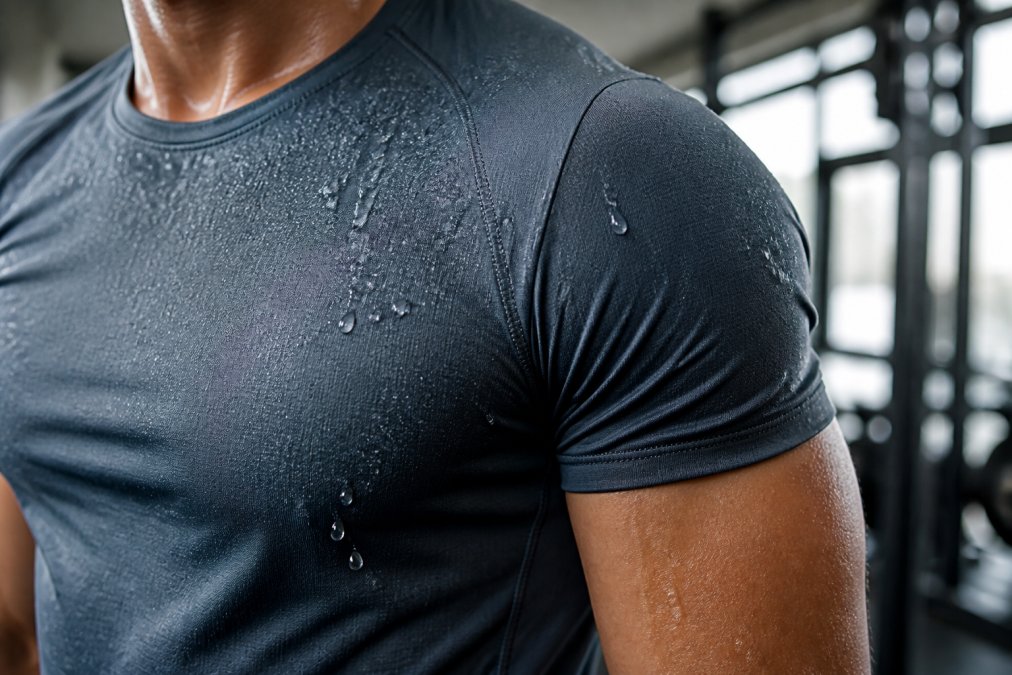
Fiber diameter affects how quickly moisture moves through the fabric. Finer fibers create a larger surface area relative to their volume, speeding up evaporation. Fabric weight, measured in grams per square meter (GSM), influences both breathability and durability. Lighter fabrics (under 150 GSM) excel at moisture transport but may wear through faster, while heavier performance fabrics (150-200 GSM) offer more durability for intense training while maintaining good wicking properties (peer-reviewed research).
Antimicrobial treatments on moisture-wicking fabrics help prevent odor retention by inhibiting bacterial growth. Without proper care, even the best moisture-wicking shirt can develop odor issues, which is why washing technique matters as much as fabric choice.
Polyester: The Synthetic Standard for Performance
Polyester dominates the moisture-wicking market because it delivers reliable performance at accessible price points. The fiber's hydrophobic nature makes it naturally water-resistant, forcing sweat to move across the surface rather than soaking in. Manufacturers can engineer polyester blends to target specific performance needs, 100% polyester prioritizes maximum moisture transport, while blended polyester (85% polyester, 15% spandex) adds stretch without sacrificing wicking efficiency.
GearrUp's Men's Athletic Division Workout T-Shirt uses 100% polyester with a moisture-wicking finish, delivering effective sweat management that keeps the shirt lighter through conditioning work. The Pro-Dry Quick-Dry Training Shorts feature polyester fabric with quick-dry technology and flatlock seams designed to reduce chafing during high-intensity workouts.

One honest limitation: polyester can retain odor if not washed properly. High heat in the dryer sets odor into synthetic fibers, which is why cold washing and air drying preserve the fabric's performance properties. Polyester's durability also outpaces natural fibers in most athletic applications, resisting pilling, fading, and degradation from repeated washing and intense use.
Merino Wool: Natural Temperature Regulation
Merino wool offers a completely different approach to moisture management. Rather than repelling sweat like polyester, merino wool actively regulates moisture and temperature through its unique fiber structure. The fiber absorbs up to 30% of its weight in moisture without feeling wet, then releases that moisture as vapor when conditions allow (peer-reviewed research).
This hygroscopic property makes merino wool exceptional for temperature regulation across varying conditions. During intense exercise, merino wicks sweat away efficiently. When you cool down, the fabric releases stored moisture gradually, preventing the sudden chill that comes with synthetic materials. Merino wool is naturally antimicrobial, meaning it resists odor development without chemical treatments, allowing athletes to wear the same shirt multiple times before washing without odor buildup.
The drawback is cost and care requirements. Merino wool garments typically cost 40-60% more than polyester equivalents and require gentler washing, cold water and wool-specific detergent prevent shrinkage and matting. Lightweight merino (around 150 GSM) works well for base layers and warm-weather training, while midweight merino (200+ GSM) provides more durability and insulation for cooler conditions.
Nylon and Spandex Blends for Durability
Nylon brings exceptional durability and stretch recovery to moisture-wicking blends. The fiber is stronger than polyester, resisting wear and tear from friction, repeated movement, and abrasion. When combined with spandex (elastane), nylon creates garments that maintain their shape through intense training sessions and dozens of wash cycles.
GearrUp's Women's High-Waist Hip-Lift Workout Leggings use nylon with 20% spandex lining. The spandex provides the tight, supportive hold while the nylon prevents the fabric from wearing through at stress points. Spandex fibers can stretch up to 500% of their original length and snap back to shape, which is why even small percentages (15-20%) dramatically improve garment recovery (peer-reviewed research).

Nylon's moisture-wicking properties are solid though not quite as fast as polyester. The trade-off is durability and support that outlast pure synthetic alternatives. For athletes who prioritize longevity and consistent fit over absolute fastest drying, nylon blends deliver better value over time. Care matters for nylon-spandex blends, high heat breaks down spandex, so these garments require cold water washing and low-temperature drying or air drying.
Moisture-Wicking vs. Cotton: Why the Difference Matters
Cotton is hydrophilic and absorbent, it soaks up sweat and holds it against your skin. During intense exercise, a cotton shirt becomes saturated, heavy, and slow to dry. Moisture-wicking fabrics solve this problem through opposite mechanics, moving sweat away from skin to the garment surface where evaporation occurs. This keeps you feeling drier, cooler, and more comfortable.
For runners covering distance, moisture-wicking prevents the chafing and skin irritation that comes from wet cotton rubbing against skin for hours. For gym athletes doing high-rep sets, moisture-wicking reduces the distraction of heavy, saturated fabric clinging to your body. During high-intensity workouts, a cotton shirt might weigh 50% more by the end of a session due to absorbed sweat, while a moisture-wicking shirt stays relatively light.
Cotton does have legitimate advantages in different contexts. It feels softer initially and many people prefer the hand feel for casual wear. For someone doing light exercise or preferring comfort over performance, cotton remains reasonable. But for serious training, the moisture management properties of engineered fabrics make an undeniable difference.
The environmental impact of synthetic wicking fabrics is worth considering. Polyester is petroleum-based and doesn't biodegrade, while merino wool is renewable but requires significant water and land resources. Buying durable pieces that last years rather than months reduces overall environmental impact regardless of material choice.
How to Wash Athletic Wear to Preserve Wicking
Proper care is essential to maintaining moisture-wicking performance. The biggest mistake athletes make is using hot water and high heat drying, which damages synthetic fibers and sets odor into the fabric. Cold water washing is the foundation of proper athletic wear care.
Machine wash in cold water with like colors. Avoid bleach and fabric softeners, which coat the fibers and impair moisture transport. Fabric softener is particularly problematic, it creates a hydrophobic barrier that prevents moisture from moving through the fabric, directly contradicting the garment's design.
Air drying or tumble drying on low heat preserves the fabric's wicking properties and extends garment life. High heat sets odor into synthetic fibers permanently. For garments with spandex, be especially careful with heat, spandex breaks down at high temperatures, losing elasticity and recovery. These pieces should always air dry or tumble on the lowest setting.
Washing frequency depends on intensity and personal preference. High-intensity training that produces significant sweat benefits from washing after each session. Light workouts can go 2-3 wears before washing. The antimicrobial properties of merino wool allow multiple wears without washing, while polyester benefits from more frequent cleaning to prevent odor buildup.
Top Moisture-Wicking Gear for 2026
| Product | Material | Best For | Price | Standout Feature |
|---|---|---|---|---|
| GearrUp Stealth-Lite Men's Running Shorts | High-density polyester | Distance running | $16.99 | 7-inch inseam |
| GearrUp Pro-Dry Training Shorts | Polyester with quick-dry tech | Gym and outdoor training | $19.99 | Flatlock seams, relaxed fit |
| GearrUp Men's Athletic Division T-Shirt | 100% polyester | High-intensity conditioning | $16.99 | Runs to XXXL, fast-drying |
| GearrUp Men's Breathable Short-Sleeve Tee | Polyester blend | Slim-fit training | $15.99 | Minimal design, quick-dry |
| GearrUp Men's Quick-Dry Athletic Tank | Polyester with mesh panels | Weightlifting and cardio | $16.99 | Breathable mesh, unrestricted movement |
| GearrUp Women's High-Waist Hip-Lift Leggings | Nylon with 20% spandex | Intense lower-body training | $19.99 | 18 colors, squat-proof design |
| GearrUp Men's Lightweight Breathable Shorts | Polyester with wicking finish | Athleisure and training | $18.99 | Available to XXXL, four colors |
| GearrUp Men's Breathable Ice Silk Shorts | Ice-silk blend | Hot-weather training | $16.99 | Cool-touch surface, knee-length |
GearrUp Stealth-Lite Men's Running Shorts deliver essentials for serious runners. The high-density, moisture-wicking fabric handles sweat management effectively while the 7-inch inseam suits various running distances.

GearrUp Pro-Dry Quick-Dry Training Shorts are engineered for the gym and outdoor activities where quick-dry technology makes a real difference. Flatlock seams reduce chafing, and the relaxed fit allows full range of motion for weightlifting and cardio.
GearrUp Men's Athletic Division Workout T-Shirt is the straightforward polyester choice for athletes who sweat heavily. At 100% polyester with moisture-wicking finish, it prioritizes performance and runs to XXXL for larger athletes.
GearrUp Men's Breathable Short-Sleeve Tee takes a different approach with a polyester blend and slim cut. The minimal design makes it easy to layer or pair with anything in your kit bag.
GearrUp Men's Quick-Dry Athletic Tank combines polyester with breathable mesh panels for athletes who run hot during workouts. The mesh enhances airflow where it matters most.
GearrUp Women's High-Waist Hip-Lift Workout Leggings address a specific pain point: staying in place during heavy lifting. The nylon body with 20% spandex lining provides support that holds through squats and lunges. Eighteen color options give you genuine choice.
GearrUp Men's Lightweight Breathable Workout Shorts offer mid-waist comfort in a casual athleisure cut. The polyester with moisture-wicking finish handles sweat effectively, and the size range to XXXL ensures fit across body types.
GearrUp Men's Breathable Ice Silk Shorts use an ice-silk blend that creates a cool-touch surface sitting away from skin rather than clinging when you sweat. The knee-length cut suits hot-weather training.
Conclusion
Choosing the right moisture-wicking fabric transforms how your body feels during training. Polyester handles sweat efficiently at accessible prices. Merino wool regulates temperature across conditions. Nylon-spandex blends deliver durability that outlasts pure synthetics. Understanding these differences gives you the knowledge to select gear that genuinely improves your performance.
The real test is wear. A quality moisture-wicking shirt should feel noticeably lighter and drier than cotton by the end of a hard workout. GearrUp's moisture-wicking collection gives you options across material types and price points, with free shipping and easy returns so you can test what works best for your training style.
Frequently Asked Questions
Which fabric is the most moisture-wicking?
Polyester is the most consistently moisture-wicking synthetic fabric available today. It actively moves sweat to the fabric surface through capillary action, where it evaporates rather than sitting against your skin. Merino wool ranks highest among natural fibers, offering moisture management alongside temperature regulation. The best choice depends on your activity: polyester excels in high-intensity workouts, while merino wool performs better in variable temperatures and endurance activities.
Why is moisture-wicking vs cotton important for workouts?
Cotton absorbs moisture and holds it against your skin, making you feel wet and heavy during exercise. Moisture-wicking fabrics like polyester move sweat away from your body to the fabric surface, where it evaporates. This keeps you dry, reduces chafing, prevents odor buildup, and allows your body to regulate temperature more effectively. For high-intensity training, moisture-wicking fabrics dry faster than cotton.
How do I know if my moisture-wicking fabric is losing effectiveness?
Moisture-wicking performance degrades when fabric softeners, detergents with heavy residues, or high heat damage the fiber structure. Signs include moisture clinging to the fabric instead of beading on the surface, slower drying times, and increased odor retention. Proper care, cold water washing, hang drying, and avoiding fabric softeners, preserves wicking properties for years. High heat in dryers is the primary culprit; it can set odor into synthetics and flatten cooling finishes on specialty fabrics.
What fabric weight works best for moisture-wicking performance?
Lighter fabrics (under 150 GSM) wick and dry fastest, making them ideal for high-intensity workouts and hot weather. Mid-weight fabrics (150-250 GSM) balance durability with breathability, suiting most gym sessions and outdoor activities. Heavier moisture-wicking fabrics (250+ GSM) offer more structure and durability but sacrifice some breathability. For intense training, lighter weights perform better; for layering systems or cooler conditions, mid-weight options provide optimal comfort.
This article was written using GrandRanker

