

Table of Contents
- Why Gym Leggings Roll Down (And What's Actually Happening)
- Signs Your Leggings Are the Wrong Size
- Immediate Fixes: DIY Solutions That Work Right Now
- Best Squat-Proof Leggings for Women: What to Look For
- Fabric Technology and Elasticity: Why Performance Matters
- How to Care for Athletic Leggings to Maintain Fit
- Testing Your Leggings During High-Intensity Movement
- Frequently Asked Questions
Last Updated: September 1, 2026
Why Gym Leggings Roll Down (And What's Actually Happening)
Leggings roll down during workouts because the waistband loses contact with your body as you move. Three forces work against you simultaneously: gravity pulling downward, friction decreasing as your body heats up and sweat reduces grip, and the natural elasticity of the fabric degrading over time or with improper fit.
Many people blame the leggings when the actual problem is a mismatch between their body shape and the garment's design. Understanding WHY your leggings roll down is the first step toward fixing it, whether that means choosing better gear or using immediate solutions to extend the life of what you already own.
When fabric loses elasticity, the waistband can't maintain tension against your skin. During high-intensity interval training, burpees, or heavy squats, constant friction and sweat create a perfect storm. The waistband slides down millimeter by millimeter until you're adjusting mid-workout.
Signs Your Leggings Are the Wrong Size
Wrong-sized leggings are the #1 reason gym leggings rolling becomes a constant frustration. If your leggings are too big, there's too much fabric between your body and the waistband, creating space for slippage. If they're too small, the waistband digs in and creates discomfort.
The right fit should feel snug but not restrictive. Your waistband should sit at your natural waist or above it (high-waisted designs prevent rolling far better than low-rise). When you bend forward, squat, or jump, the leggings should move with your body, not against it. If there's visible bunching at the waist or gaps forming between the fabric and your skin, you're wearing the wrong size.
Check your hip-to-waist ratio before ordering. Many people have a larger hip measurement relative to their waist, which means standard sizing won't work for them. If your hips are significantly wider than your waist, you may need to size up at the hip and then use other solutions (like drawstrings or grip tape) to secure the waistband.
The inseam length also matters. Leggings that are too long bunch at the ankle and create excess fabric everywhere, including at the waist. Your inseam should allow the leggings to hit right at your ankle bone with minimal break in the fabric.
Immediate Fixes: DIY Solutions That Work Right Now
If you love your current leggings but they roll down, several quick fixes can extend their life without replacing them.
The Drawstring Method
The simplest fix is adding or tightening a drawstring at the waistband. Thread a thin cord, elastic, or hair tie through the waistband channel, then tie it snugly but not so tight that it cuts off circulation. This method works best for leggings that have a channel built into the waistband.
The drawstring debate divides fitness enthusiasts. Some argue that drawstrings interrupt the clean aesthetic and can be uncomfortable during certain movements. For casual gym sessions or yoga, a drawstring works great. For high-impact workouts where you need unrestricted movement, it may feel restrictive.
Temporary Waistband Reinforcement
You can reinforce the waistband temporarily using fabric glue or iron-on adhesive strips designed for clothing repair. Apply the adhesive to the inside of the waistband and press firmly. This adds friction and helps the waistband grip your body better. The fix lasts through several washes but eventually wears out.
Another method is sewing a thin elastic band to the inside of the waistband. This requires basic sewing skills but creates a more permanent solution than adhesive.
Grip Tape and Silicone Solutions
Silicone grip tape is designed for exactly this problem. Available at most fabric or craft stores, this thin, sticky tape adheres to the inside of the waistband and creates friction between the fabric and your skin.
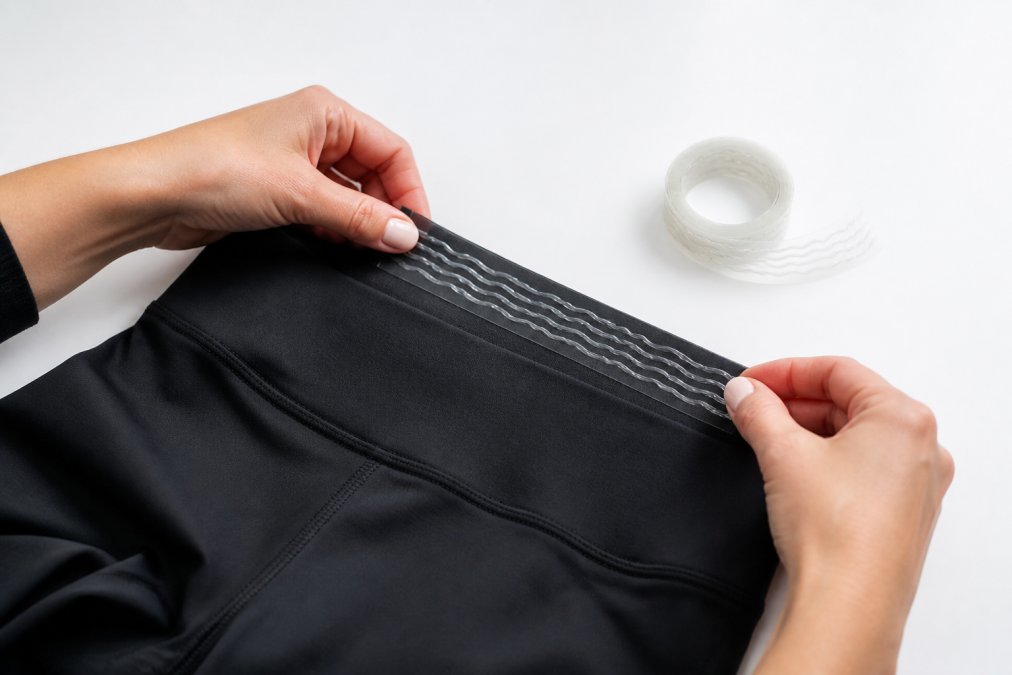
The tape typically lasts 5-10 washes before losing effectiveness, but it's inexpensive and easy to reapply. Silicone grip tape is the better choice for comfort and durability over non-slip shelf liner alternatives.
Best Squat-Proof Leggings for Women: What to Look For
When you're ready to invest in leggings that won't roll down, focus on three core features: high-waisted design, compression fabric, and quality seam construction. GearrUp's High-Waisted Butt-Lifting Yoga Pants ($19.99) deliver all three at an affordable price point.

High-waisted styles sit above your natural waist, creating a larger surface area of contact between the waistband and your body. This design alone prevents most rolling issues because gravity has less leverage. The wider waistband also distributes pressure more evenly.
Look for leggings with a gusset, a triangular panel of fabric at the crotch that reinforces the area and prevents seam separation during deep squats. The gusset should be seamless or have a flat-lock seam (a special stitch that lies flat against skin rather than creating a ridge).
Compression ratings matter. Leggings with 4-way stretch fabric (stretching in all directions) provide better recovery and elasticity than 2-way stretch. Nylon and spandex blends are industry standard because nylon is durable and spandex provides the stretch and recovery. Look for at least 85% nylon and 15% spandex.
Seam construction determines longevity. Flat-lock seams or bonded seams reduce friction and pilling, which weakens fabric over time. Examine the side seams and crotch area closely, these are stress points where cheap construction fails first.
GearrUp's High-Waist Tummy Control Yoga Leggings ($18.99) combine affordability with the technical features that prevent rolling. The high-waisted design and compression fabric work together to keep the waistband in place through burpees, sprints, and heavy squats.
Fabric Technology and Elasticity: Why Performance Matters
The fabric itself determines whether your leggings will roll down. Cheap leggings use low-quality spandex that loses elasticity after 20-30 wears. Premium leggings invest in better spandex blends that maintain tension and recovery for 100+ wears.
Elasticity is the fabric's ability to stretch and then return to its original shape. When elasticity degrades, the waistband becomes loose even if you haven't gained weight. This is why a pair of leggings that fit perfectly on day one can roll down by week three.
Nylon provides durability and moisture-wicking properties. Spandex provides stretch and recovery. The ratio matters enormously. Moisture-wicking fabrics pull sweat away from your skin, which reduces the wet-fabric slippage problem. Premium athletic leggings use advanced moisture-wicking technology that keeps the waistband dry and maintains friction even during intense cardio.
Fabric recovery refers to how quickly the material bounces back after being stretched. High-recovery fabrics maintain compression throughout your workout. Low-recovery fabrics stretch out during the first 20 minutes and never fully recover. This is why you notice gym leggings rolling more as your workout progresses.
How to Care for Athletic Leggings to Maintain Fit
How you wash and dry your leggings directly impacts whether they'll roll down. Improper care degrades elasticity faster than actual wear.
Wash in cold water, not hot. Heat breaks down spandex and accelerates elasticity loss. Use a gentle cycle and avoid the dryer entirely. Air dry your leggings flat or hanging, which preserves elasticity for 2-3 times longer than machine drying.
Avoid fabric softener and bleach. Fabric softener coats the fibers and reduces the friction that helps waistbands grip your body. Bleach weakens synthetic fibers. Use a mild detergent designed for technical fabrics if possible.
Turn leggings inside out before washing to protect the outer surface from friction with other clothes and reduce pilling. Don't wash leggings after every single wear if they're not visibly soiled. Sweat-only workouts don't require washing. This reduces wash cycles and extends the lifespan significantly.
Store leggings folded or rolled, not hung on hangers. Hanging stretches the waistband over time due to gravity and the weight of the fabric.
Testing Your Leggings During High-Intensity Movement
Before you commit to a pair of leggings for serious training, test them during actual high-intensity movement. This is the only way to know if they'll roll down when it matters.
Do a 10-minute test that includes burpees, jump squats, mountain climbers, and running intervals. These movements create the most stress on waistbands. If the leggings stay in place during this test, they'll likely perform well in your regular workouts.
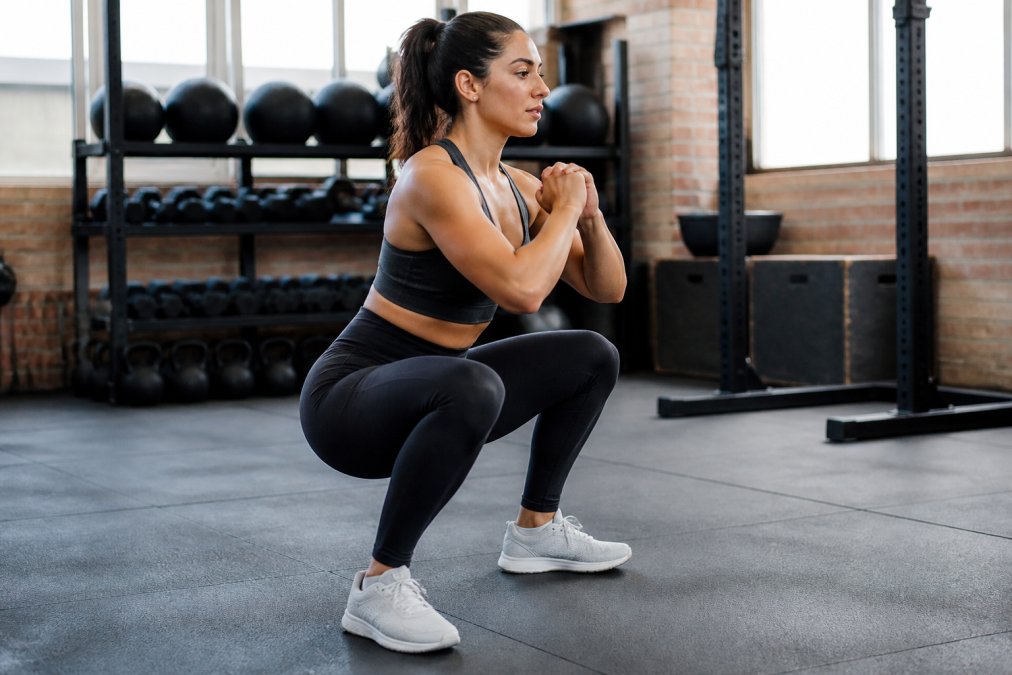
Pay attention to how the waistband feels during and after the test. Does it roll down at all? Does it dig in uncomfortably? Does it feel like it's slipping gradually throughout the workout? These observations tell you whether the fit is right and the fabric quality is adequate.
Test in the same conditions you'll actually wear them. If you train in a hot, humid gym, test in that environment. Temperature and humidity affect how much you sweat, which directly impacts whether leggings roll down.
Gym leggings rolling down mid-workout is frustrating, but it's almost always fixable. Whether you're adding a drawstring, applying grip tape, or investing in better leggings with proper high-waisted design and compression fabric, solutions exist at every price point.
GearrUp's High-Waisted Butt-Lifting Yoga Pants and High-Waist Tummy Control Yoga Leggings are engineered specifically to prevent rolling during intense training. The high-waisted design sits above your natural waist, the compression fabric maintains elasticity through 100+ wears, and the quality seam construction handles burpees and heavy squats without failing. Get started with GearrUp leggings and experience the difference that precision-crafted gear makes in your training.

| Solution | Best For | Cost | Permanence |
|---|---|---|---|
| Drawstring method | Quick fix for existing leggings | $0-5 | 2-3 months |
| Silicone grip tape | Temporary reinforcement | $5-10 | 5-10 washes |
| High-waisted leggings | Long-term solution | $18-25 | 100+ wears |
| Fabric care optimization | Extending all leggings lifespan | $0 | Ongoing |
According to the American Council on Exercise, proper athletic apparel fit directly impacts performance and injury prevention during high-intensity training. Leggings that roll down force you to adjust mid-workout, disrupting your form and focus.
Research on synthetic fabric performance shows that spandex blends with proper nylon ratios maintain elasticity significantly longer than budget alternatives. The investment in quality fabric pays dividends in durability.
The International Organization for Standardization's standards on athletic wear establish compression ratings and stretch-recovery metrics that separate performance leggings from casual activewear. Understanding these standards helps you choose leggings that will actually stay in place during demanding workouts.
===
Frequently Asked Questions
Q: Why do my gym leggings keep rolling down when I squat?
A: Leggings roll down during squats because the waistband lacks adequate grip, the fabric has lost elasticity from wear, or the rise is too low for your body shape. High-intensity movement like burpees and heavy squats creates downward forces that overpower weak waistband construction. Synthetic fibers like nylon and spandex lose stretch retention over time, especially without proper care. A high-waisted design with silicone grip and four-way stretch fabric resists rolling significantly better than standard cuts.
Q: What features should I look for in leggings to prevent waistband roll?
A: Look for a high-waisted cut that sits above your hip bone, a wide waistband (at least 2-3 inches), and seam construction that includes a silicone grip or textured interior. Compression-rated fabric with strong spandex content maintains elasticity through repeated wear and washing. Four-way stretch ensures the waistband recovers after movement. GearrUp's High-Waisted Butt-Lifting Yoga Pants ($19.99) feature all these elements, plus tummy control that anchors the waistband in place during intense training.
Q: How do I know if my leggings are the wrong size?
A: If your leggings slide down during moderate activity, the waistband gaps away from your body, or you need constant adjustment during workouts, they're too large. If they feel restrictive at the hips or create visible muffin-top despite a high waist, they're too small. Your waist-to-hip ratio matters: if you have a larger hip-to-waist ratio, a standard size may roll despite fitting at the waist. Measure your natural waist and hip circumference, then compare against the brand's size chart before ordering.
Q: Can I fix leggings that roll down without buying new ones?
A: Yes. Add a drawstring through the waistband channel to create tension that prevents slippage. Apply silicone grip tape (sold as non-slip shelf liner) to the inside of the waistband. Wear high-waisted shorts over the leggings to anchor them. Wash in cold water and air-dry to preserve fabric elasticity, which naturally recovers between wears. These fixes work best on leggings with minor rolling; if the waistband is permanently stretched, replacement is more reliable than temporary solutions.
This article was written using GrandRanker

