

Table of Contents
- What Makes Breathable Cycling Apparel Essential for Long Rides
- Moisture-Wicking Fabric Technology and Thermal Regulation
- The Importance of Chamois Construction and Chafing Prevention
- Best Bib Shorts for Endurance Cycling
- Cycling Apparel Layering Guide for Variable Weather
- Choosing the Right Jersey Fit and Ventilation Features
- Fabric Care and Longevity for Performance Gear
- Frequently Asked Questions
Last Updated: September 19, 2026
What Makes Breathable Cycling Apparel Essential for Long Rides
Long-distance cycling demands more from your gear than casual weekend rides. Your body generates intense heat during extended efforts, and moisture management becomes the difference between comfort and suffering. Breathable cycling apparel for long rides isn't a luxury, it's a performance requirement that directly impacts your endurance, recovery, and ability to maintain power output over hours.
When you're in the saddle for 4, 6, or 8+ hours, sweat accumulates faster than your skin can naturally evaporate it. Without proper moisture-wicking technology, that sweat clings to your body, raising core temperature and forcing your cardiovascular system to work harder just to cool you down. This creates a compounding problem: your legs fatigue faster, your mental focus deteriorates, and you're more prone to cramping and chafing. The right breathable cycling apparel solves this at the source by actively pulling moisture away from your skin and dispersing it across the fabric surface where air can evaporate it efficiently.
At GearrUp, we've analyzed what separates riders who finish strong from those who hit the wall early. The common thread isn't fitness alone, it's gear that works with your body's thermoregulation rather than against it. This guide breaks down the fabric science, construction details, and practical selection criteria that make breathable cycling apparel genuinely functional for endurance efforts.
Moisture-Wicking Fabric Technology and Thermal Regulation
Moisture-wicking is the foundational technology that makes breathable cycling apparel work. Unlike cotton, which absorbs sweat and holds it against your skin, technical fabrics use synthetic fibers engineered to repel water while transporting moisture away from your body through capillary action. The sweat moves laterally across the fabric surface, where air circulation evaporates it before it can accumulate.
The most effective moisture-wicking fabrics combine polyester, nylon, or polypropylene bases with strategic fiber structures. Polyester dominates cycling apparel because it's durable, affordable, and performs consistently across temperature ranges. Nylon adds stretch and recovery, crucial for the repeated compression and extension of pedaling. Some premium options blend these with specialized treatments that enhance hydrophobic properties, meaning the fabric actively repels water rather than passively allowing evaporation.
Quick-drying capability matters as much as moisture transport. A fabric that wicks sweat but dries slowly still leaves you damp and uncomfortable. The best breathable cycling apparel uses low-density weaves that allow air to pass through the fabric itself, not just across the surface. This creates a dual mechanism: moisture moves away from your skin while ambient air continuously passes through the material, accelerating evaporation. Thermal regulation follows naturally, as sweat evaporates, it removes heat from your body, maintaining a stable core temperature even during intense efforts.
The relationship between fabric weight and breathability is critical. Heavier fabrics offer durability and UV protection but trap more heat. Lightweight constructions maximize airflow but sacrifice longevity. Long-distance cycling apparel typically balances this by using medium-weight fabrics (around 150-180 grams per square meter) that provide adequate protection while maintaining superior ventilation compared to casual wear.
The Importance of Chamois Construction and Chafing Prevention
Chafing is the silent killer of long rides. It starts as minor irritation around mile 40 and becomes unbearable by mile 80. The problem compounds because once chafing begins, every pedal stroke intensifies the friction, making it impossible to maintain your rhythm or power output. Prevention is infinitely better than treatment.
Chamois construction, the padded insert in cycling shorts, directly determines your comfort ceiling on long rides. A poorly designed chamois creates pressure points that concentrate friction in specific zones. A well-engineered chamois distributes pressure evenly across your sit bones and sensitive areas, reducing friction while providing cushioning for the repeated impacts of pedaling.
The best chamois for endurance cycling uses multi-density foam construction, with firmer support under high-pressure zones and softer cushioning in sensitive areas. The fabric covering the foam matters equally, it should be smooth, seamless where possible, and treated with anti-friction coatings. Some premium options incorporate gel inserts in high-impact zones, though this adds bulk that some riders find restrictive.
Seam placement is often overlooked but critical. Seams create friction points, so manufacturers strategically position them away from areas that experience the most pressure during pedaling. The best designs minimize seams entirely in the contact zone, using flatlock or seamless construction techniques. When seams are unavoidable, they should be finished with smooth, rounded edges rather than sharp stitching that can dig into skin.
Anti-chafe technology extends beyond the chamois itself. The leg openings of shorts should have smooth, elastic finishes that don't dig into your thighs. Some designs incorporate silicone grippers that hold the leg opening in place without constricting blood flow. The waistband should sit securely without rolling or shifting during long efforts, movement causes friction and pressure inconsistency.
Best Bib Shorts for Endurance Cycling
Bib shorts outperform waist shorts for long-distance cycling because they eliminate waistband pressure and provide superior support through shoulder straps. The straps distribute weight across your upper body rather than concentrating it at your waist, reducing fatigue and pressure points during extended rides.
When selecting bib shorts for endurance cycling, prioritize chamois quality first. This is where manufacturers justify premium pricing. GearrUp's Pro-Duo 2-in-1 Running & Training Shorts ($19.99) feature anti-chafe technology with engineered seams and smooth finishes designed to prevent skin irritation during extended wear. The 2-in-1 construction combines a lightweight outer shell with a supportive inner compression layer, providing both breathability and chafe prevention in a single garment.
Reflective Cycling Sports Vest →
The fabric should offer quick-dry properties and moisture-wicking capability. Look for materials that dry within 2-3 hours of heavy sweating, this matters if you're riding multiple days in a row or doing back-to-back efforts. The Velocity Pro Men's Quick-Dry Cycling & Workout Pants ($28.99) use chemical fiber blends engineered for rapid moisture transport and drying, making them suitable for the sustained sweating of long rides.

Fit is where many riders struggle. Bib shorts should be snug enough to prevent shifting but not so tight they restrict blood flow or breathing. The leg openings should sit 1-2 inches above your knee, too high and they'll ride up; too low and they'll bunch under your thighs. Shoulder straps should be comfortable without digging into your shoulders, and the torso should feel supportive without compression that makes breathing difficult.
Consider your body type when selecting shorts. Riders with longer torsos need proportionally longer bibs to avoid waistband pressure. Those with muscular thighs need shorts with adequate stretch and leg opening width. Some manufacturers offer multiple fits (slim, regular, relaxed) specifically to accommodate these variations. Trying shorts on with the same base layer you'll wear on long rides ensures accurate fit assessment.
Cycling Apparel Layering Guide for Variable Weather
Long rides often span temperature fluctuations, starting cool at dawn, heating up mid-morning, then cooling again toward evening. Static clothing choices fail because your needs change. Effective layering allows you to adjust insulation throughout the ride by adding or removing pieces without stopping.
The base layer sits against your skin and manages moisture.
Choosing the Right Jersey Fit and Ventilation Features
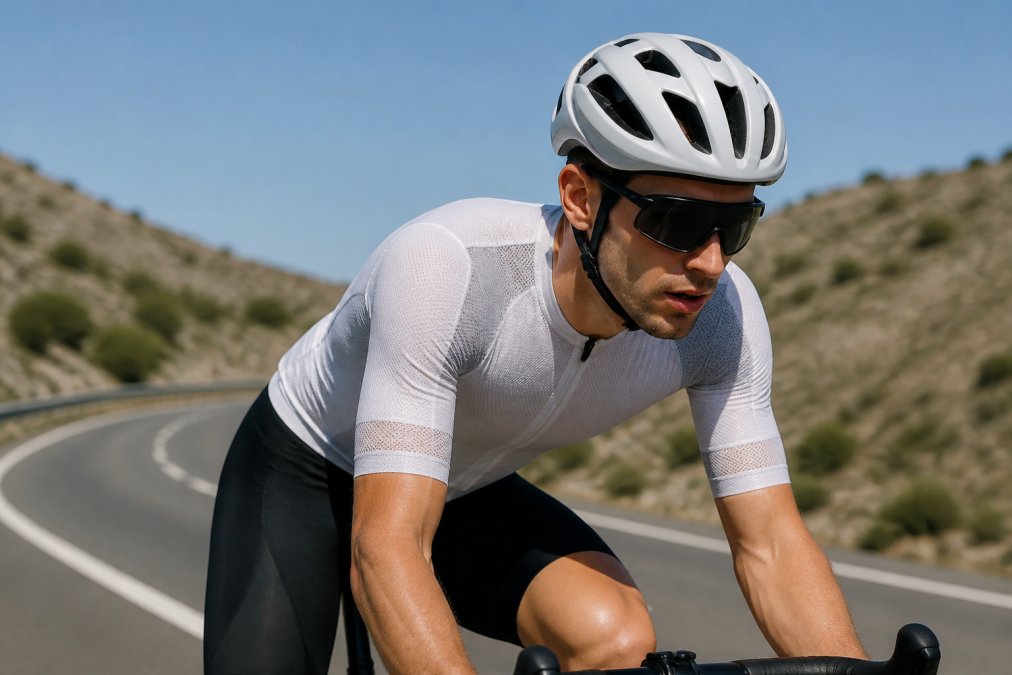
Jersey fit directly impacts both comfort and aerodynamics on long rides. A loose jersey flaps in the wind, creating drag that increases fatigue over hours. A tight jersey restricts breathing and movement. The ideal fit is snug enough to move with your body without excess fabric, but loose enough to allow full breathing and arm movement.
Fabric Care and Longevity for Performance Gear
Breathable cycling apparel requires specific care to maintain its performance characteristics. Improper washing degrades moisture-wicking properties faster than actual wear does. Understanding fabric care extends the life of your gear and preserves the technical benefits that made it worth purchasing.
Frequently Asked Questions
What should I wear for a 50+ mile cycling ride?
For rides over 50 miles, prioritize moisture-wicking base layers, a breathable cycling jersey with ventilation panels, and bib shorts with quality chamois padding. Add arm warmers or a lightweight vest if temperatures drop. The key is layering, you can remove pieces as your body warms up. Moisture-wicking synthetic fibers keep sweat off your skin, preventing chafing and heat buildup during extended endurance cycling.
How does moisture-wicking fabric improve long-distance cycling comfort?
Moisture-wicking fabrics pull sweat away from your skin and move it to the fabric's outer surface, where it evaporates faster. This process, called moisture transport, keeps your core temperature stable and reduces skin irritation. On long rides, this prevents the heavy, clammy feeling that slows you down and causes chafing. Technical apparel with synthetic fibers outperforms cotton, maintaining comfort for hours.
What are the benefits of bib shorts versus cycling shorts for long rides?
Bib shorts use shoulder straps to distribute weight evenly, reducing pressure on your lower back and stomach during extended rides. They stay in place better than waist shorts, eliminating the need to adjust them constantly. The integrated chamois padding sits precisely where you need it, reducing friction and chafing. For century rides and endurance events, bib shorts provide superior support and comfort, especially for riders spending 4+ hours in the saddle.
How do I choose breathable cycling apparel that actually fits my body type?
Start by understanding your body shape, whether you're lean, athletic, or carry weight in specific areas. Look for jerseys with adjustable side panels and shorts with ergonomic seams that follow natural contours. Aerodynamic fit reduces wind resistance but shouldn't restrict movement. Check sizing charts carefully; many cycling brands run small. GearrUp's Velocity Pro Men's Cycling Pants feature a tapered athletic cut with stretch fabric that adapts to different builds while maintaining breathability and quick-drying performance.
Why is breathability the most important factor in endurance cycling apparel?
Breathability determines how efficiently your body sheds heat and moisture. Poor ventilation traps sweat against your skin, raising core temperature and causing premature fatigue. On long rides, overheating can lead to cramps, reduced power output, and heat-related issues. Breathable apparel with adequate airflow and ventilation zones maintains thermal regulation, allowing you to sustain effort for hours without overheating or chafing.
What layering techniques are best for changing weather during long rides?
Use the base-mid-outer system: start with a moisture-wicking base layer, add a lightweight insulating mid-layer for warmth, and top with a windproof outer shell. Choose pieces you can easily remove and tie around your waist as temperature rises. Quick-dry fabrics mean layers dry fast if you need to put them back on. For variable conditions, a breathable cycling vest like GearrUp's Premium Outdoor Cycling Training Sports Vest provides core protection without bulk, and reflective detailing adds safety for early morning or evening rides.

