

Table of Contents
- Quick Comparison: Best Cross Training Gear Picks
- How to Choose Cross Training Apparel That Stays Put
- Essential Cross Training Accessories for Grip and Stability
- Cross Training Gear Checklist for Beginners
- Gear Maintenance and Longevity Tips
- Budget-Conscious vs. Premium Performance Gear
- Frequently Asked Questions
Last Updated: September 10, 2026
Quick Comparison: Best Cross Training Gear Picks
The best gym gear for cross training solves one problem above all: it stays where you put it. A 2021 survey from the American College of Sports Medicine found that functional fitness training sits among the top worldwide fitness trends, and anyone who has done a WOD knows why the gear matters as much as the effort. We build apparel and equipment for exactly this kind of training, so we understand which pieces earn their place in a gym bag and which ones sit unused.
Cross training gear is the apparel and equipment designed to handle mixed-modal workouts, where you might move from lifting to plyometrics to a conditioning circuit inside one session. That mix demands gear that resists abrasion, manages sweat, and holds position through squats, cleans, and sprints.
Here's the short version before the detail:
| Gear | Why It Matters | Best For | Price |
|---|---|---|---|
| 2-in-1 Training Shorts | Compression liner stops chafing | WODs, HIIT, lifting | $34.99 |
| Breathable Lifting Gloves | Grip plus hand protection | Pull-ups, barbell work | $16.99 |
| Performance Vest | Warmth without bulk | Outdoor warm-ups | $15.99 |
| Adjustable Weighted Vest | Adds resistance to runs | Conditioning, walking | $39.99 |
| Waterproof Gym Bag | Separates wet from dry | Commuters, swimmers | $35.99 |
How to Choose Cross Training Apparel That Stays Put
Choosing cross training apparel comes down to three things: fabric, fit, and how the seams handle friction. Get those right and you stop adjusting your clothes mid-set.

Fabric Technology: Moisture-Wicking and Breathability
Moisture-wicking fabric pulls sweat away from skin and spreads it across the surface so it evaporates faster. Breathability is the other half: mesh panels and lightweight weaves let heat escape during high-intensity interval training. A common mistake is buying cotton for a metcon session. Cotton holds sweat, gets heavy, and turns abrasive against skin once it's wet. Look for quick-drying synthetics and flatlock seams instead. The International Fitness Professionals Association notes that fabric choice affects both comfort and how long apparel survives repeated washing.
Fit and Compression: Tapered vs. Loose
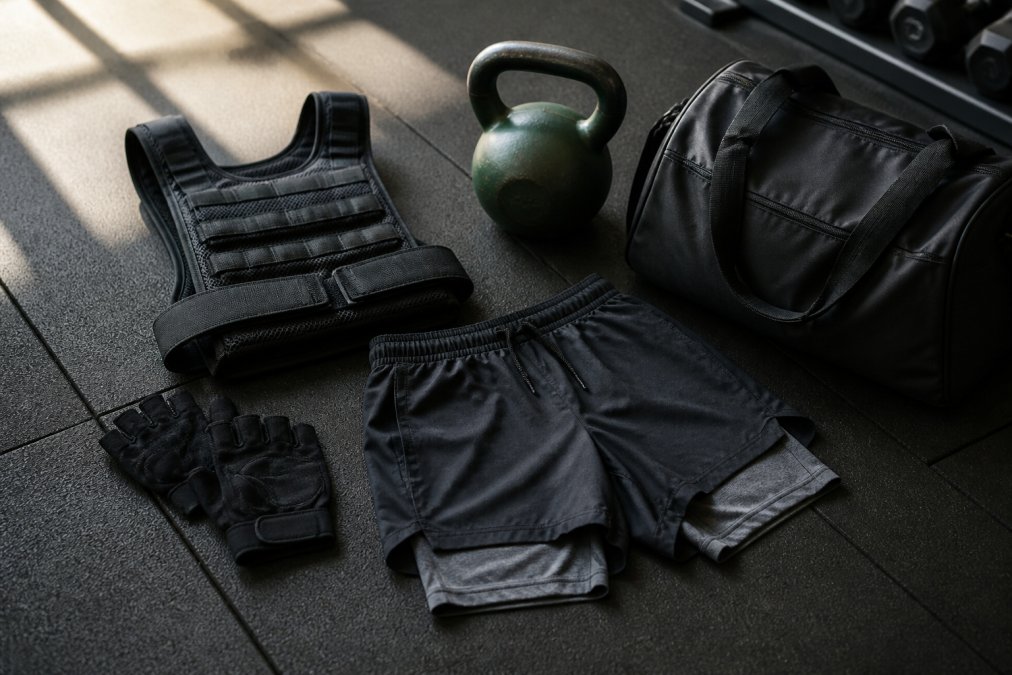
Compression gear supports muscles and reduces movement, which helps during lifting and reduces chafing. Loose fits breathe better but catch on bars and machines. The practical answer for most athletes is a hybrid: a tapered outer layer over a supportive liner. That's the design behind the StealthFlex 2-in-1 Training Shorts, which pair a quick-dry outer shell with a stretch compression liner. The one drawback is that a snug liner leaves less room for layering in cold weather, so plan accordingly.
Essential Cross Training Accessories for Grip and Stability
Essential cross training accessories cover three jobs: protecting your hands, securing your wrists and core, and keeping your footing stable. Skip them and your grip fails before your muscles do.
Gloves, Wraps, and Belts
Gloves handle the everyday work. The Breathable Weightlifting Gloves use a microfiber palm that resists abrasion and a mesh back panel that keeps hands cool, which matters once you're past the first set of pull-ups. For heavier lifts, a self-locking belt and strength wraps add bracing and wrist support. Grip tape helps on high-rep barbell work where chalk isn't practical.

For conditioning days, resistance tools change the stimulus entirely. A weighted vest adds load to walking, running, and step-ups without occupying your hands, and a 15 lb kettlebell covers swings, goblet squats, and carries. Neither is glamorous. Both build work capacity faster than adding another set of the same exercise.
Cross Training Gear Checklist for Beginners
A beginner's cross training gear checklist should cover the basics without overspending. The goal is to protect the joints and skin that take the most repeated load, then add pieces as your training volume climbs. Buy in this order.
Tier 1: Non-Negotiables (Buy First)
- Flat-soled training shoes with a low heel-to-toe drop. A cushioned running shoe compresses under a loaded squat and shifts your weight forward, which is a common cause of knee and low-back strain during lifting (peer-reviewed research). A firm, flat sole keeps your heel planted and your force going into the floor. Save the running shoes for running days.
- 2-in-1 training shorts with a built-in compression liner. The liner stops the inner-thigh friction that shows up around rep 30 of a high-volume squat or lunge session. One garment replaces two and eliminates the waistband that rolls under a belt.
- Breathable lifting gloves. Grip fails before your back or legs do on pull-ups and high-rep barbell work. Gloves protect the palm skin and add friction so you can hold the bar through the last few reps instead of dropping it early.
- A moisture-wicking top. Cotton holds sweat, gets heavy, and turns abrasive once wet. A quick-dry synthetic keeps you cooler and reduces chafing under a vest or belt.
Tier 2: Add Once You Train 3+ Days a Week
- Wrist wraps and a self-locking belt. These are injury-prevention tools, not ego tools. Wraps limit wrist extension under front-rack and overhead positions; a belt gives your core something to brace against on heavy squats and deadlifts. Neither replaces good bracing technique, they reinforce it on high-load days.
- Knee sleeves. For athletes doing repeated squat and lunge volume, a neoprene sleeve keeps the joint warm and improves proprioception, which most practitioners find helps them track knee position through fatigued reps.
- A water bottle and a small towel. Dehydration and a slippery bar both degrade form late in a session.
Tier 3: Convenience and Recovery
- A gym bag with a ventilated shoe compartment. The Waterproof Gym Bag separates wet clothes from clean ones and vents shoes separately. If you commute to train, that separation is worth more than any single accessory on this list, damp gear left in a closed bag is the fastest route to permanent odor.
- A foam roller or massage tool. Not gear you train in, but the piece most beginners under-buy relative to how much it affects next-day readiness.
Gear Maintenance and Longevity Tips
Gear maintenance is the cheapest performance upgrade available, and almost nobody does it. Most apparel failures trace back to heat and detergent, not training volume.
Wash cold, skip the fabric softener, and air dry. Fabric softener coats performance fabric and blocks the wicking action you paid for. Heat breaks down elastic in compression liners and waistbands, so a dryer is the fastest way to ruin a good pair of shorts. Gloves need the opposite treatment: hand wash with mild detergent and air dry, since machine drying hardens the microfiber palm. Store kettlebells and weights somewhere dry to prevent coating damage, and wipe down equipment after each session. Rotate two pairs of shorts if you train most days, because fabric needs a full day to recover its shape.
Budget-Conscious vs. Premium Performance Gear
Most guides tell you to 'buy quality.' None tell you which specific construction details actually separate a value-tier piece that survives daily training from a cheap one that dies in a month. Here is what to look at, and where the money is genuinely worth spending.
What You're Actually Paying For
The price gap between a $20 pair of shorts and a $60 pair is rarely the fabric itself. It is four things:
- Seam construction. Flatlock seams lie flat against skin and resist the friction that pops standard overlock stitching under repeated squat and lunge cycles. A cheap short with raised seams will chafe and eventually split at the crotch, the highest-stress point in any training short.
- Elastic recovery. The compression liner and waistband rely on spandex (elastane) content and knit quality. Low-grade elastic stretches out permanently after a few dozen hot washes; higher-grade elastic snaps back. This is the single biggest predictor of whether a budget short lasts three months or three years.
- Abrasion resistance. Barbell knurling, kettlebell handles, and box jumps all grind against fabric. A denser knit with a higher nylon content resists pilling and thinning far better than a thin polyester blend.
- Fit consistency. Premium brands hold their sizing across production runs; budget brands often don't, which is why the same size can fit differently batch to batch.
Where Budget Gear Holds Up Fine
- Gym bags. A well-constructed budget bag with a ventilated shoe compartment and a water-resistant lining performs nearly identically to a premium one. The zippers and fabric are commodity parts.
- Water bottles, towels, jump ropes, and foam rollers. No performance fabric, no elastic recovery to worry about. Buy on function, not brand.
- Basic cotton-blend tees for warm-up only. Fine for a pre-workout layer you'll shed before the first working set.
Where Premium Earns Its Cost
- Training shorts and compression liners. This is where elastic recovery and seam construction decide whether the piece survives daily training. A $34.99 pair of 2-in-1 shorts with a built-in liner replaces two separate purchases and outlasts a cheap pair that loses its elastic in a month, the math favors the better-built option for anyone training three or more days a week.
- Shoes. Sole firmness, heel-to-toe drop, and outsole durability are engineered properties. A worn-out or overly cushioned shoe is an injury risk, not a bargain.
- Gloves and wrist wraps. The microfiber palm and stitching on a good glove outlast the cheap alternative by a wide margin under daily pull-up and barbell volume.
The Value-Tier Rule of Thumb
For an athlete training three or more days a week, durability pays for itself quickly, the cost-per-session of a well-built short drops below that of a cheap one within a few months. For someone training twice a week, a budget set with good fabric does the same job, because the gear simply isn't stressed as hard. GearrUp prices its training shorts and gloves in the middle of that range deliberately: performance-grade construction without the markup that comes from paying for a logo.

Frequently Asked Questions
What are the essential items for a cross training workout?
A solid cross training kit starts with supportive shoes, moisture-wicking apparel, and grip accessories. For apparel, look for 2-in-1 shorts with a compression liner like the StealthFlex ($34.99) or Pro-Duo ($19.99) from GearrUp. Add breathable weightlifting gloves ($16.99) for grip and hand protection. A 25L waterproof gym bag ($35.99) keeps everything organized. For equipment, a 15 lb kettlebell ($49.99) and resistance bands ($49.99) cover most functional movements. This cross training gear checklist covers the essentials without overbuying.
How do I choose the right cross training apparel?
Focus on three things: fabric, fit, and function. Moisture-wicking materials like polyester blends keep you dry during high-intensity interval training. Look for flatlock seams to prevent chafing and a tapered fit that stays in place during squats and lunges. Breathability matters for WODs and plyometrics. Compression liners in 2-in-1 shorts provide lateral support and reduce muscle fatigue. GearrUp's StealthFlex shorts ($34.99) use quick-dry fabric with a built-in compression liner, ideal for lifting and running. Always check care instructions to maintain performance fabric longevity.
Is specialized gear necessary for cross training?
Specialized gear improves safety, performance, and durability. Cross training combines weightlifting, cardio, and agility work, so generic gym wear often fails. For example, regular shorts ride up during squats, and cotton shirts hold sweat. Purpose-built gear like breathable weightlifting gloves ($16.99) prevents blisters and improves grip tape-free. A weighted vest ($39.99) adds resistance for plyometrics. While you can start with basics, investing in cross training gear reduces injury risk and helps you train consistently. Beginners can build up gradually using a checklist.
What features should I look for in cross training apparel?
Prioritize moisture-wicking fabric, flatlock seams, and a secure fit. Look for 4-way stretch for range of motion, anti-microbial treatments to control odor, and quick-drying properties. For shorts, a compression liner adds support and prevents chafing. Tapered fits reduce bulk during lifting. Breathability is key for high-intensity interval training. GearrUp's Pro-Duo shorts ($19.99) feature anti-chafe technology and zippered pockets. Always check that the waistband stays put during dynamic movements. Durability matters too: abrasion-resistant materials last longer.
What is the best gym bag for carrying cross training equipment?
A gym bag with wet/dry separation and a ventilated shoe compartment keeps gear organized and odor-free. The GearrUp 25L Waterproof Gym Bag ($35.99) has separate compartments for sweaty clothes, shoes, and clean items. It includes six exterior pockets. Waterproof polyester protects electronics from spills. For cross training, you need space for shoes, gloves, wraps, a water bottle, and a change of clothes. Look for reinforced stitching and comfortable handles for daily commutes. This bag handles gym, travel, and outdoor sessions.
The hard part of cross training isn't motivation, it's gear that holds up through a full session without constant adjusting. GearrUp builds apparel and equipment for that exact problem. Our 2-in-1 training shorts pair a quick-dry outer shell with a compression liner that stays put, our breathable lifting gloves protect your grip without overheating your hands, and every order ships free with easy returns and secure payment. Get started with GearrUp and train in gear that moves the way you do.

